LEARNINGS
One big takeaway from this project was that the pain points are truly unknown before interviewing the users.
Once again, the results from the study were a surprise. Parking? Again? is a problem. I just designed a parking ticket app
the last thing I was expecting to design was another parking feature, however, the research does not lie.
The early research phase of the design process is the most revealing phase and it is what the original layout will be based upon,
and other layouts will be based upon further research. So it is almost as if the user unknowingly designs the product and the designer is
a medium to create the product through.
WHO ARE THE USERS AND WHY DO THEY GO TO MUSEUMS?
EARLY RESEARCH
I interviewed five participants who all frequent museums in their free time to find out what their experience
is usually like, why they go, and what the pain points of a casual museum visit are?
Surprisingly, the number one pain point that users consistently reported experiencing
when arriving to a museum is parking. This was something I initially figured was not
relevant to designing a museum app. However, after hearing the same reoccurring issue
being reported by participant after participant, I figured there was a way to fix this.
I also found the main two purposes that people visit museums
is to educate their children & for "peace" and relaxation. With these insights I began rapid sketching
possible solutions.
Research Findings
After conducting a second usability study, users responded well to the prototype. Users liked the visual layout and
how quick and easy the process was. 4/5 users stated they would uses the in-app parking feature rather than
Google Maps for numerous reasons. 5/5 users stated they book a ticket using MuseMap rather than directly with
the Museum. When asked why they said:
Important Information is Consolidated
Much Easier to pick a Museum to go to then using Seatch Engine
Straight Forward Language & Quick Checkout Process
One area for improvement I noted was in the Parking Assistant. Users were asked to find the "Parking Navigation
page on the MuseMap App. 3 of 5 participants located the page without guidance, however, the 2 participants that
struggled shed light on improvements that could be integrated into the Parking Assistant Feature.
Firstly, I decided to rename the section "Parking Passes and Navigation" rather than "parking assistant." This way the user
would not be confused as to what can be found in this section of the app - it is now clear that everything parking related,
(including passes & navigation) can easily be found there.
Second, I decided to add an introduction screen, given that this is. a very original feature
that users have likely not used before, and are unfamiliar with.
All 5 participants reported that they would use the parking assistant feature. The most common reseaons were
to find the right location for entrance and to locate the parking. Users stated they would use this feature over Google
Maps because it its more closely related to the Museum they are visiting.
OVERVIEW
WHAT IS MUSEMAP AND WHY WAS IT DESIGNED?
Role UX Designer Researcher
Timeline 5 weeks
Responsibilities User Interviews, Synthesizing Data, Wire Framing,
Testing Prototypes, & Iteration on Designs
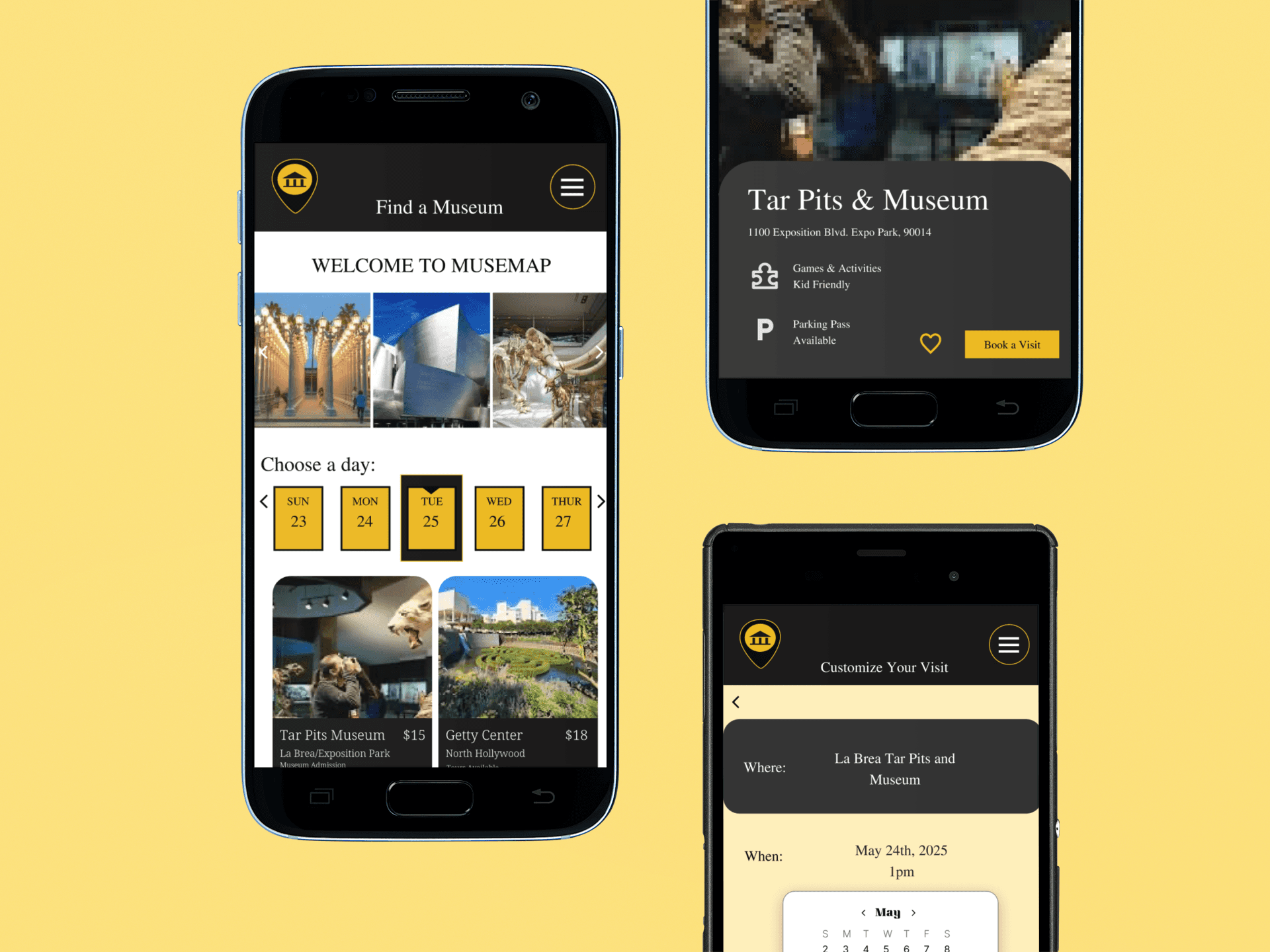
MuseMap is a museum search and navigate tool designed to help people find productive and educational ways to spend time
with family, or simply enjoy their weekend. The goal of the project was to design an app for social good, as well as
demonstrate my UX Design skills and knowledge of the design process
Musemap has unique features like a parking assistant, and rewards program.
THE CHALLENGE
SOLUTION
FINAL DESIGNS
Visuals & Icons - so kids
can be a part of the
selection process
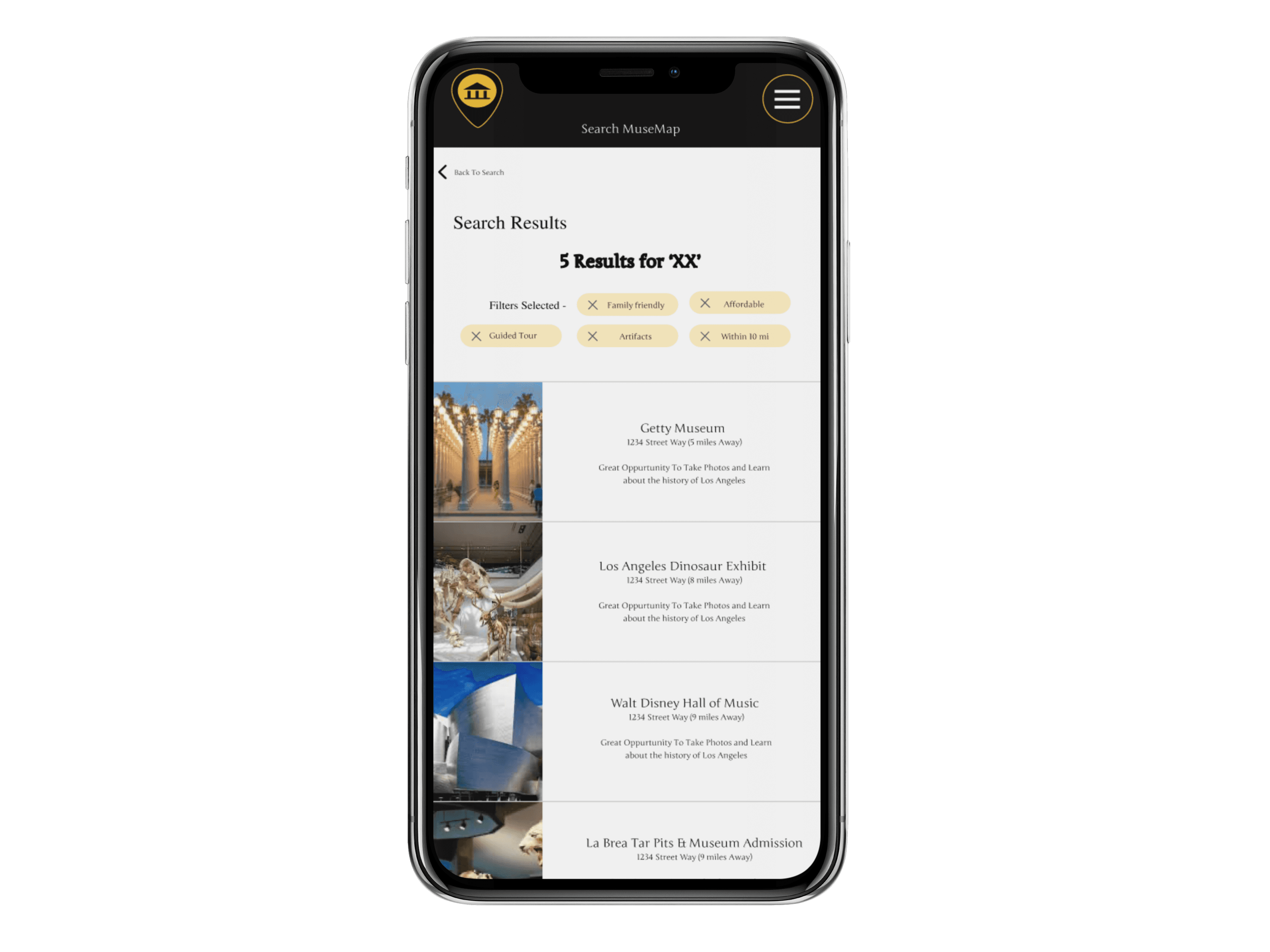
Comparable museum "cards"
highlighting important information
Filter by Date/Day - for
efficient planning
Parking Assistant - to guide users
after their purchase
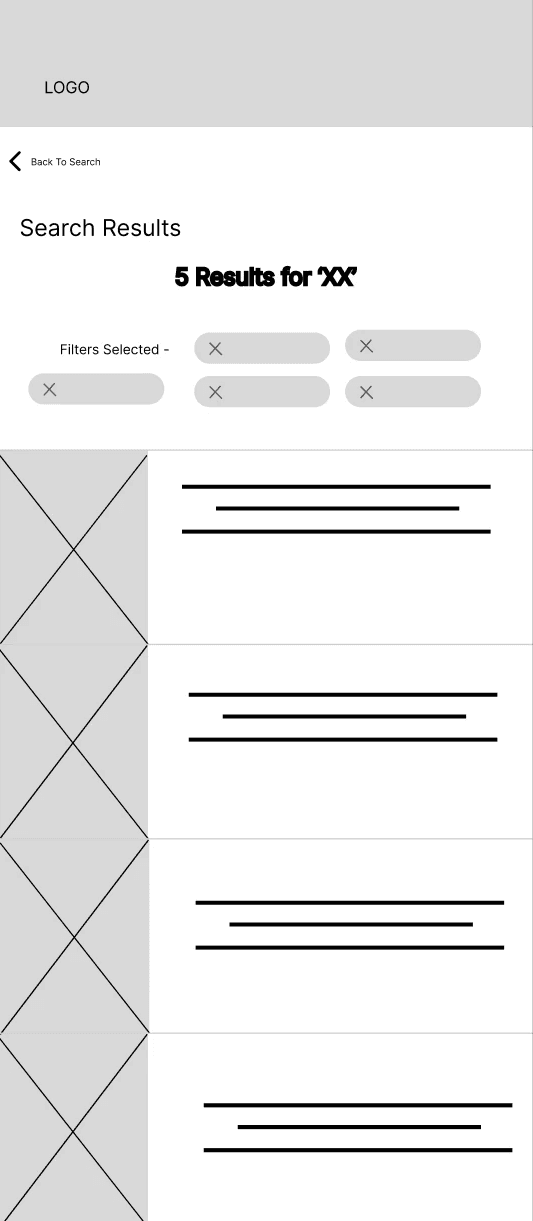
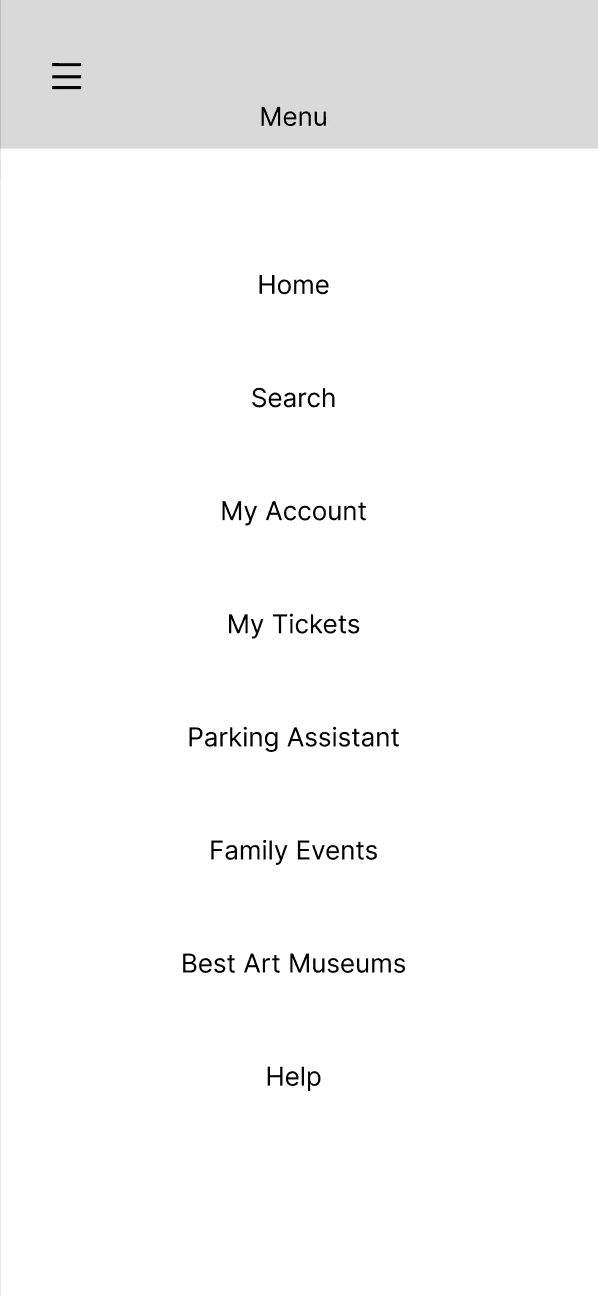
Simple Navigation
Keywords Search
Clear Booking Process


By creating features that are based solely on the users pain points and
experiences, I essciantially created a product where users can purchase a ticket
to the museum that best suits them and a product that solves all of the users
problems even after purchasing a ticket, which is not commonly found.
WHAT COULD BE WRONG WITH SUCH A PEACEFUL EXPERIENCE ?
PARKING
LONG LINES
HOW MIGHT I CREATE AN APP THAT HELPS USERS BEFORE AND AFTER THEY PURCHASE
A MUSEUM TICKET?
DIFFICULTY COMPARING OPTIONS


IDEATION